Misconceptions:
People think green burial is…
- A new Idea
In fact, green burial is the way that humanity has traditionally cared for their dead. Simple in-ground burial is an effective, respectful form of disposition, and now recognized as one of the earliest rituals of human civilization.
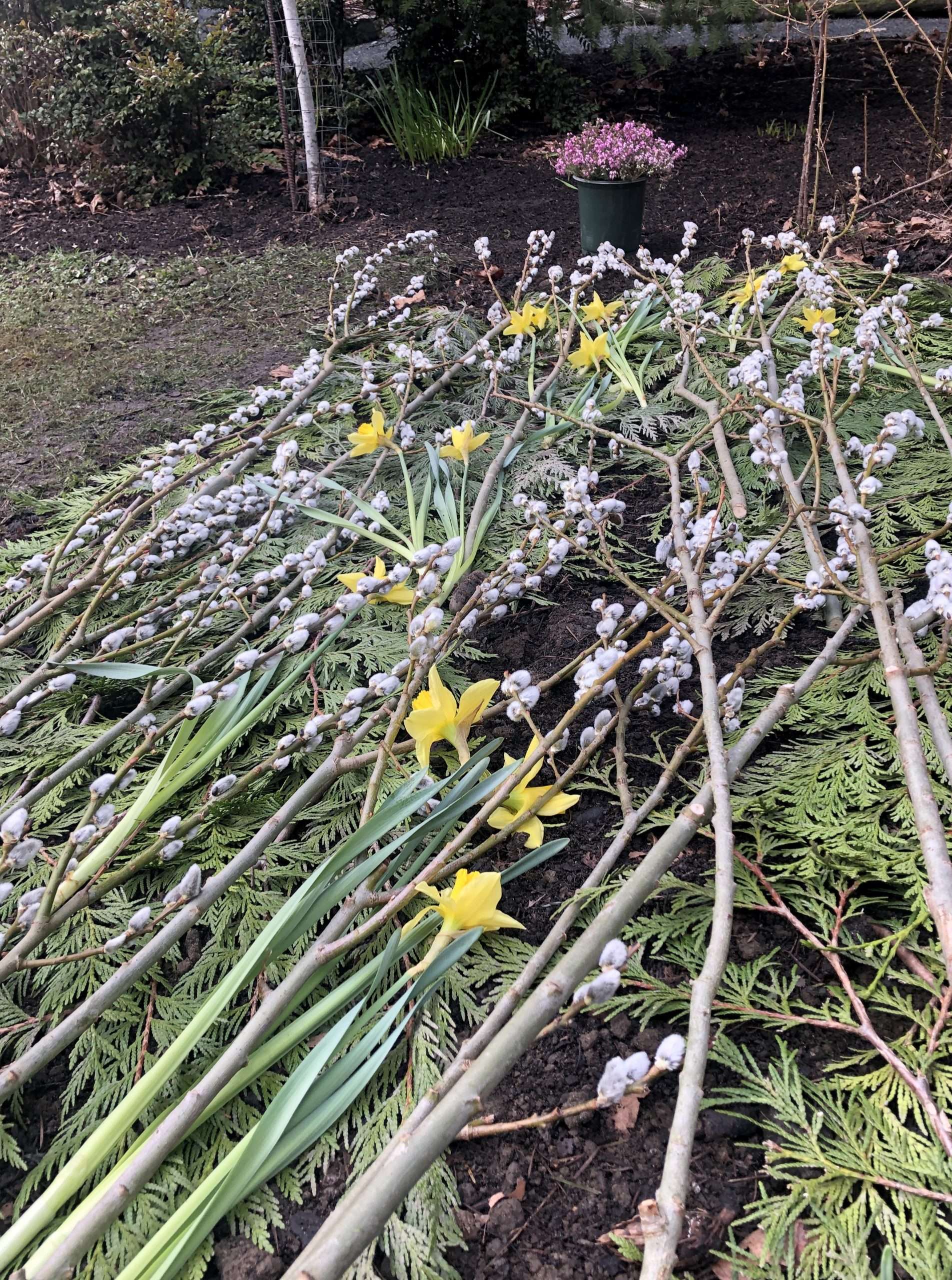
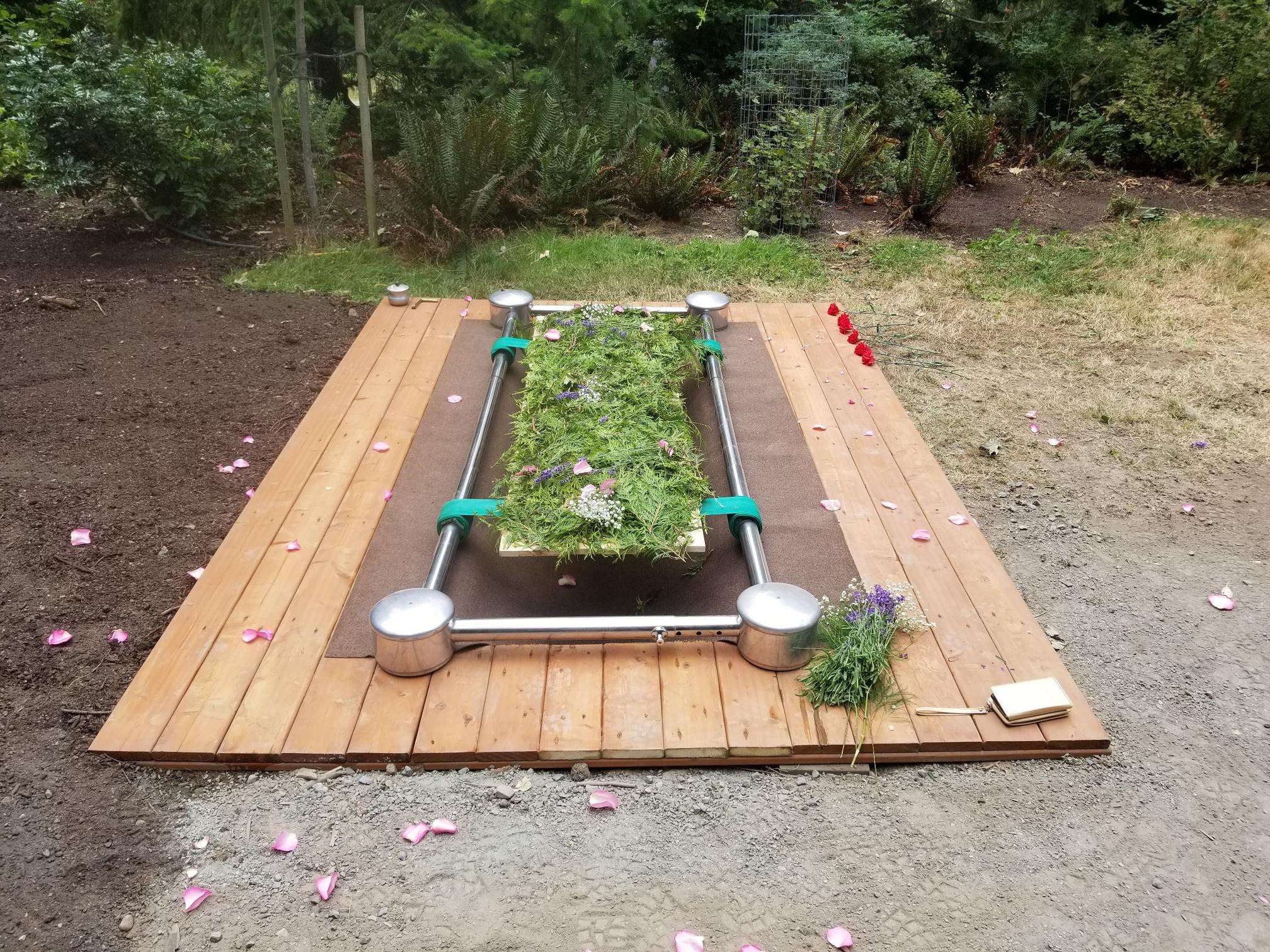
The purposeful burial of bodies has been traced as far back as 62,000 years ago to the Neanderthals at the Shanidar Cave in Northern Iraq. Human remains discovered at there were found to have been organized interments that took place over many centuries. The deceased were found to have been placed in graves lined with pine boughs and wildflowers along with food, charcoal, weapons, and stone tools.
By about 10,000 BCE and the appearance of the Cro-Magnons, our human ancestors were carefully laying out their dead in the fetal position, covering them with powder, wrapping them with animal skins and placing them in graves lined with reed mats set atop cut branches.
While the act of a simple burial is essentially unchanged from the dawn of civilization, the traditions, rituals, and beliefs attached to the burial process have evolved over time. From the pyramids of Egypt and the catacombs of Ancient Greece and Rome to the picturesque Victorian Garden Cemeteries, burial traditions gradually became disconnected from basic human needs. In Western Europe, but especially North America, elaborate burial practices, such as the routine embalming of bodies, the sealing caskets and burial vaults, and the granting of perpetual grave rights eventually resulted in a new movement, which called for a return to simpler, more authentic burial practices —and “green burial” was born.
There are many reasons behind the modern movement’s calls for a return to natural burial. At its core is a desire for a simpler process, one that is respectful of the deceased, their family, and their community, consumes less energy and resources, imposes less impact on the air, soil, and water, and recognizes the importance of using land sustainably. As well, natural burial enables families to regain some control and participate more fully, if desired, in all the decisions and rituals associated with death and dying. The final aspect that appeals to more and more people today is the creation of a setting that contributes to the local ecology while protecting meaningful landscapes.
Some cultures and faiths, such as Islam and Judaism, have retained a connection with simple interment, the modern green burial movement asks everyone to consider returning to the practice of natural burial; a practice that, rather than being a “new idea,” harkens back to the earliest stages of our evolution as a human species.
2. A Low-Cost Budget-Driven Choice
In fact, green burial is one of many options supporting meaningful end-of-life rituals. The argument for green burial has never focused on cost but rather on making choices that support and contribute to environmental sustainability. First-hand conversations with families who have chosen green burial bear this out: cost is a secondary consideration to their ability to hold a service that reflects their core values and beliefs.
Green burial is not for everyone. But until it is more widely offered, many will not have the opportunity to choose this option, or the spectrum of sustainable products and services associated with natural burial. Even where green burial may not be possible, consumers should ask for more sustainable choices within the options available.
Green burial should never be viewed as an all-or-nothing proposition. Just because there may not be an official green burial cemetery in your community, there is no reason why sustainable products and services cannot be included. For example, insisting on only basic body preparation instead of embalming, seeking simpler, biodegradable caskets, and finding local cemeteries that will accommodate interments without grave liners or vaults are just a few ways to “green up” even conventional casket burials.
Every decision made from the perspective of environmental sensitivity is a positive one. And as more and more families include environmental impact considerations as a part of their end-of-life planning, more and more cemetery and funeral service providers will be expected to offer them what they seek. This could be “hybrid green burial” (natural burial within the context of a conventional cemetery), or a range of green burial options alongside other service choices.
Most important to the GBSC—and everyone who supports green burial products and services—is for every family to give serious consideration to how end-of-life planning can reduce or mitigate the impact of their choices on the local and global environment. While families are being asked to consider green burial, we must also look to progressive death care providers – those who provide funeral and cemetery services – to examine the impact of their service offerings and business decisions within the broader environmental context.
Green burial is a purposeful, meaningful choice. Rather than being a “low-cost, budget-driven choice,” the choice of green burial expresses a family’s values related to environmental responsibility and global sustainability.
3. A Fringe Fad – Reserved for Environmentalists
In fact, green burial is a steadily growing trend reflecting the values of people from all walks of life. The modern green burial movement arose in the United Kingdom in the mid 1990’s and by the late ‘90s, there many green burial cemeteries (also called “woodland cemeteries”) being established throughout the UK.
There are now over 300 green burial cemeteries registered in the U.K. and over 350 green burial cemeteries in the USA. Of the over 140,000 burials that take place annually in the UK, over 10% of those are now green burials. That may seem modest, but all facets of what is sometimes called “the bereavement sector” have always been very slow to change, so this level of shift within 30 years is unprecedented. With green cemeteries now on solid footing in the UK and USA, and green burial sites established in Australia, New Zealand, Taiwan—and of course, here in Canada—it’s clear that green burial is not a fad, but an ongoing, worldwide trend.
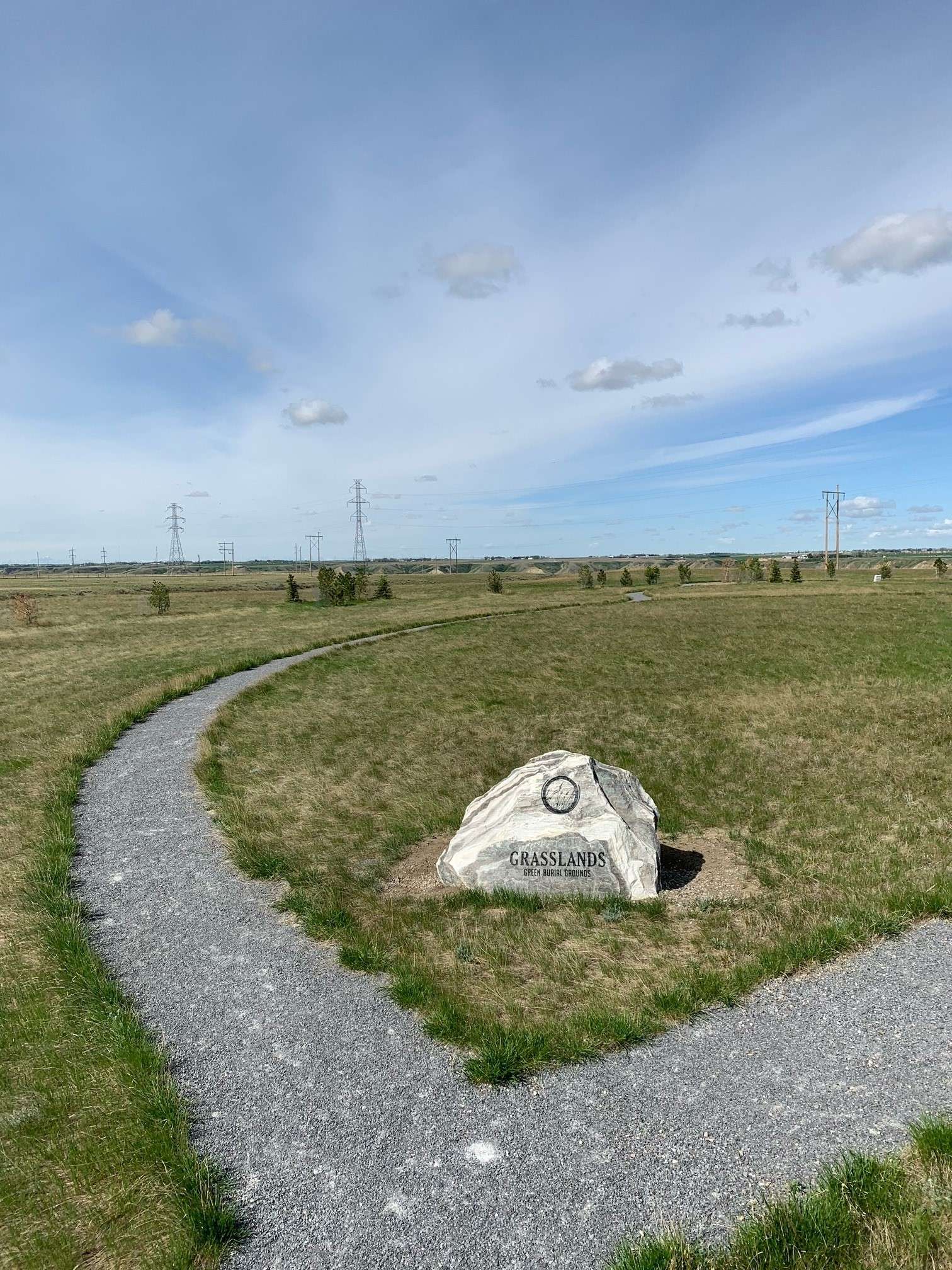
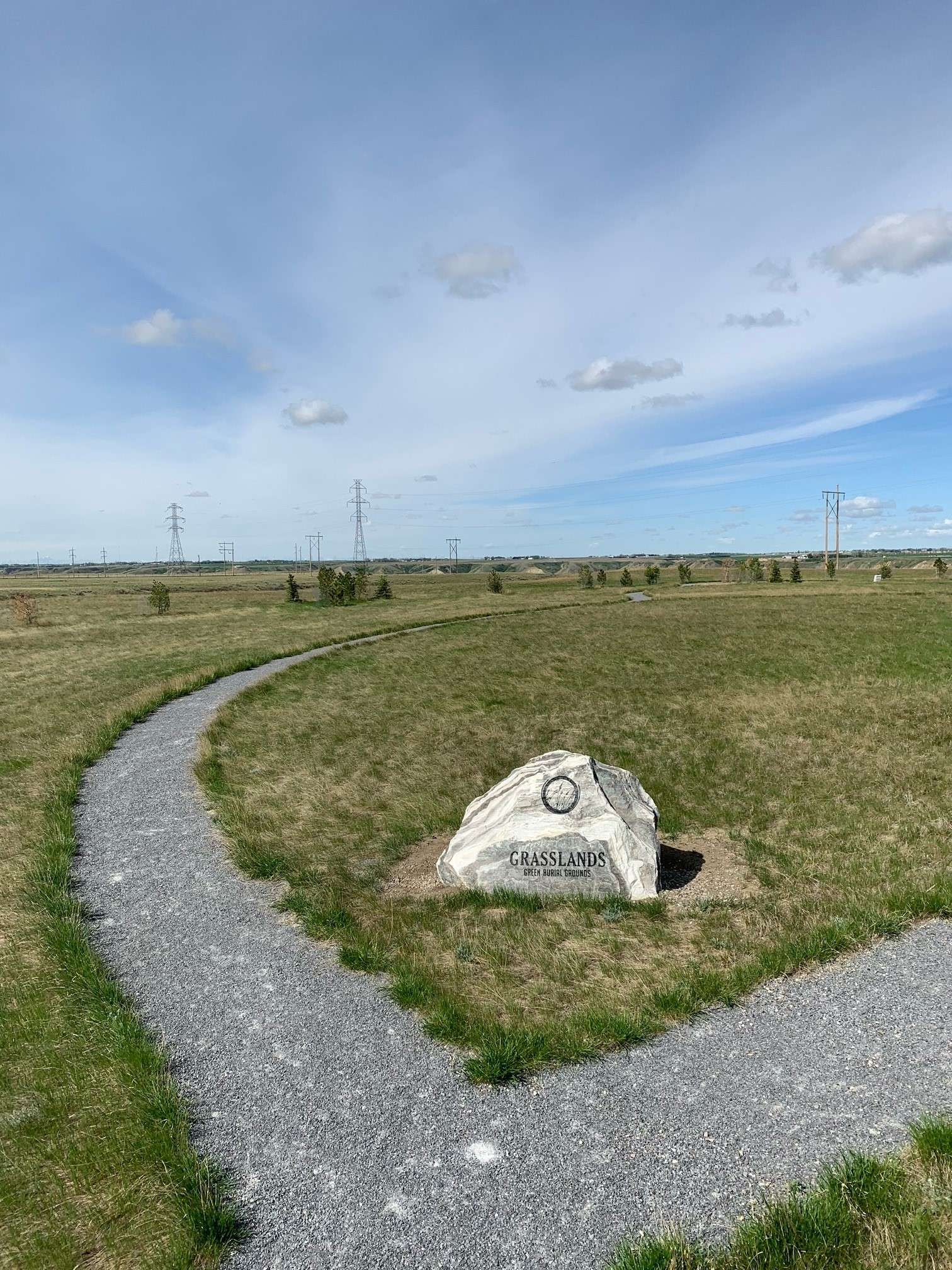
Green burial cemeteries, also known as “natural” or “woodland” cemeteries, are still in short supply in Canada; however, many existing cemeteries are now planning and starting to open sections designed to fill that need. As the public learns about and understands green burial, and as consumers continue to demand it, we will see an increase in green burial cemeteries opening across Canada, from coast to coast.
The green burial movement is truly international in scope, and within those jurisdictions where people have been introduced to, learned about, and have access to green burial, there is a distinct change in attitudes around end-of-life planning, funeral, and disposition.
Green burial appeals to a broad spectrum of the population. In the U.K., fully one-third of those surveyed expressed a preference for green burial over other types of disposition. A 2015 survey of American families that had opted for green burial revealed a very high satisfaction ranking. (Even amongst funeral directors surveyed, over 75% responded that offering green burial was economically viable.) Closer to home, a consumer survey conducted in Victoria, BC in 2013 showed fully 42% of respondents expressing a preference for environmentally sensitive burial services.
The green burial trend, expanding on an international scale, is also telling us this is not a service just for environmentalists. Green burial, with its inherent environmental sensitivity, makes sense to more and more people, from every generation and every segment of society. As we all strive to lead increasingly sustainable lives, green burial becomes an easy choice for every person who wishes to ensure that the last act of their life contributes to the health of the planet and reflects and celebrates their values by which they lived.
4. A Poor Use of Land
In fact, green burial is an environmentally sensitive alternative to disposition through conventional burial or cremation. In the early 1990’s, nearly 98% of all final dispositions in the UK were for cremated remains. And while the carbon dioxide released through one adult cremation may seem insignificant relative to the carbon footprint of a lifetime, the impact of cremation rises exponentially when the number of cremations taking place annually is in the hundreds of thousands.
Environmentalists increasingly see cremation on this scale as contributing to climate change. Cremation rates are continuing to rise around the world, including here in North America, where up to 87% of dispositions are now by cremation. In contrast, natural burial does not release any carbon dioxide, and in fact, sequesters carbon in the soil and supports ongoing carbon sequestration as the site is restored.
Over recent decades, rapid development and urbanization across the UK was seen as encroaching onto undeveloped, and in some instances historically significant, natural landscapes. Environmental advocates sought a means to protect and conserve these landscapes from destruction, ideally in perpetuity. One response was to encourage and enable simple natural or “woodland burials” to take place on these lands, and this continues to protect and support the preservation of natural areas
By enabling this type of land use, the advantage of perpetual protection that is typically assigned to cemeteries could be extended to other areas. And by adding a green burial service option, the spin-off effect was a gradual decrease in the appeal and number of cremations taking place each year in favour of a more sustainable green burial alternative—and protection of valued green spaces.
Together, the principles of providing an environmentally sensitive alternative to cremation, and conserving, enhancing, and conserving natural environments represent the foundations of the green burial movement.
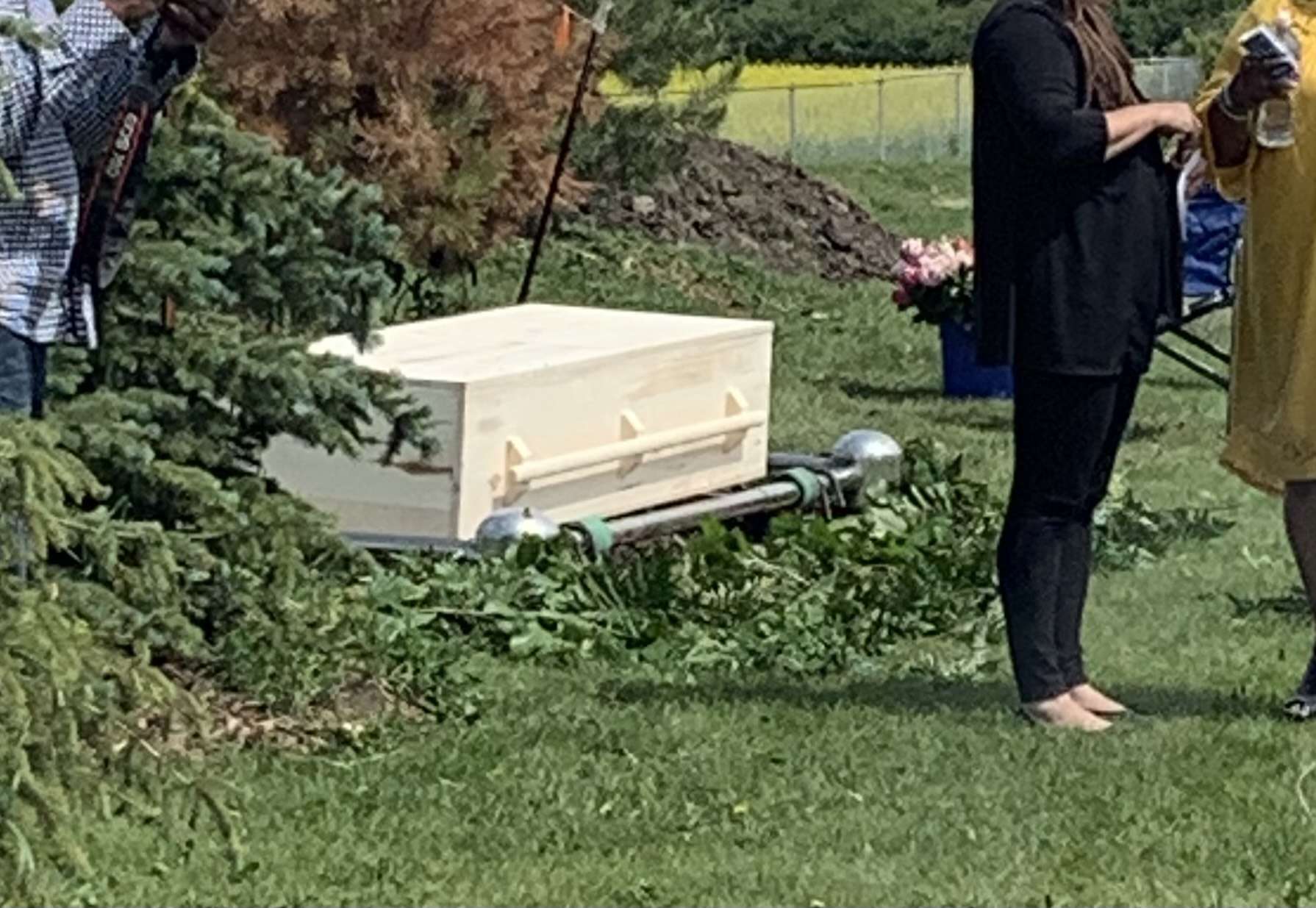
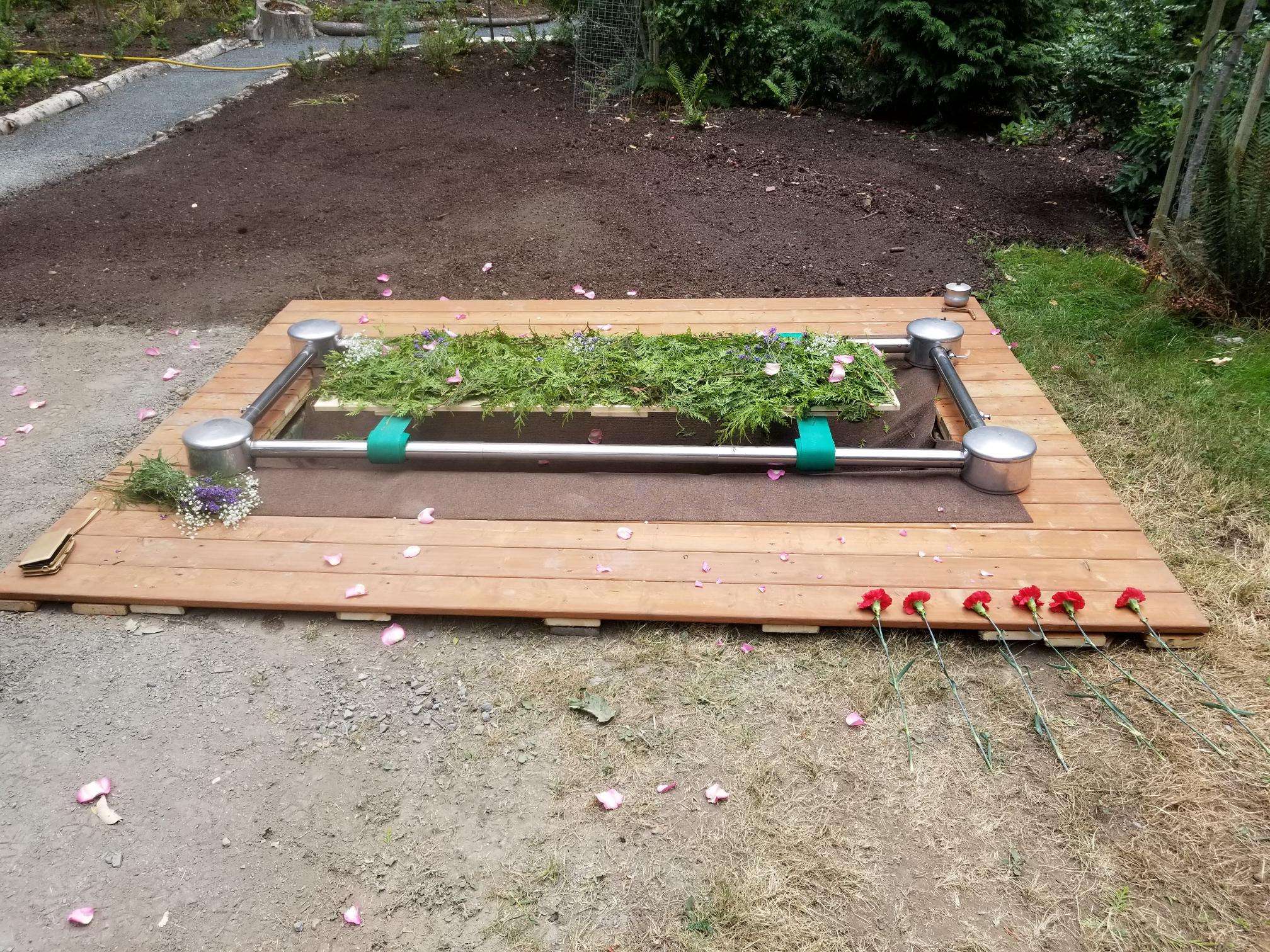
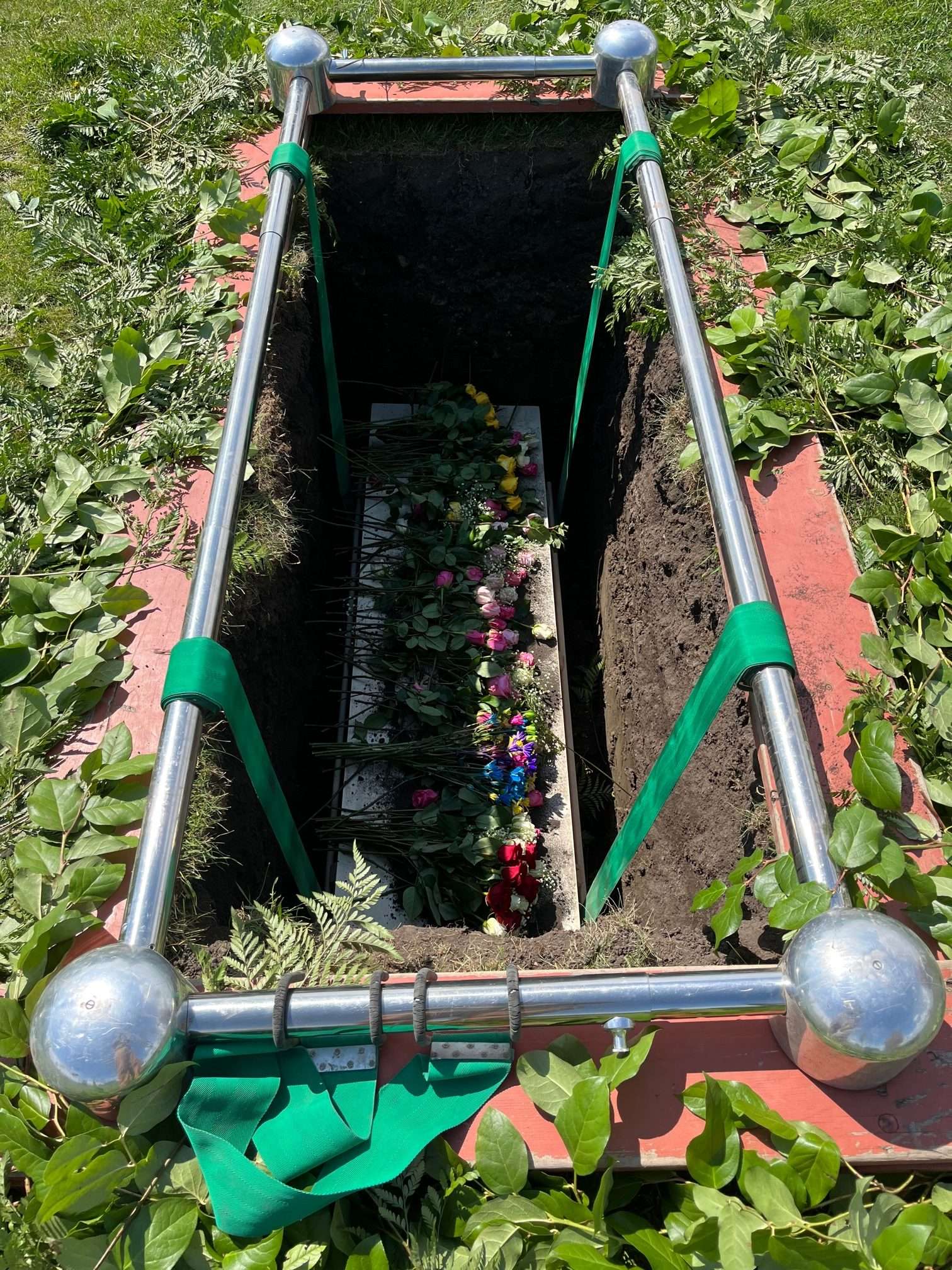
The most basic green burial – with no embalming, using a biodegradable casket or shroud, and with direct earth interment – can, in the context of our collective carbon footprint, offer a far more environmentally sensitive alternative to disposition by cremation.
Green burials in a dedicated cemetery section – or even better, in a “conservation cemetery” established exclusively for green burial – can, through higher densities, native plantings and appropriate environmental management offer a far greener choice than conventional burial, with embalmed remains, protective caskets and grave vaults, and high maintenance of ornamental landscapes. Green burial is, ultimately, an effective use of land, and the greenest end-of-life choice we can make.
5. Akin to Doing Nothing to Honour the Dead
In fact, green burial is part of a set of deliberate choices founded on five core principles. Green burial is chosen based on the desire to ensure that an individual’s last act—their choice of final disposition—reflects their values and beliefs. For some, natural burial offers them a chance to realize an “environmental legacy” as their last, loving act for the planet.
The collective adoption of green burial by more and more people in well thought-out and purposely designed spaces helps to restore land to a more natural state. Such areas preserve, enhance, and enrich the local community, socially and culturally, as well as environmentally. Through the inherent protections granted to cemeteries, green burial is a direct act of conservation, enhancing and protecting a community’s natural spaces for generations, if not in perpetuity.

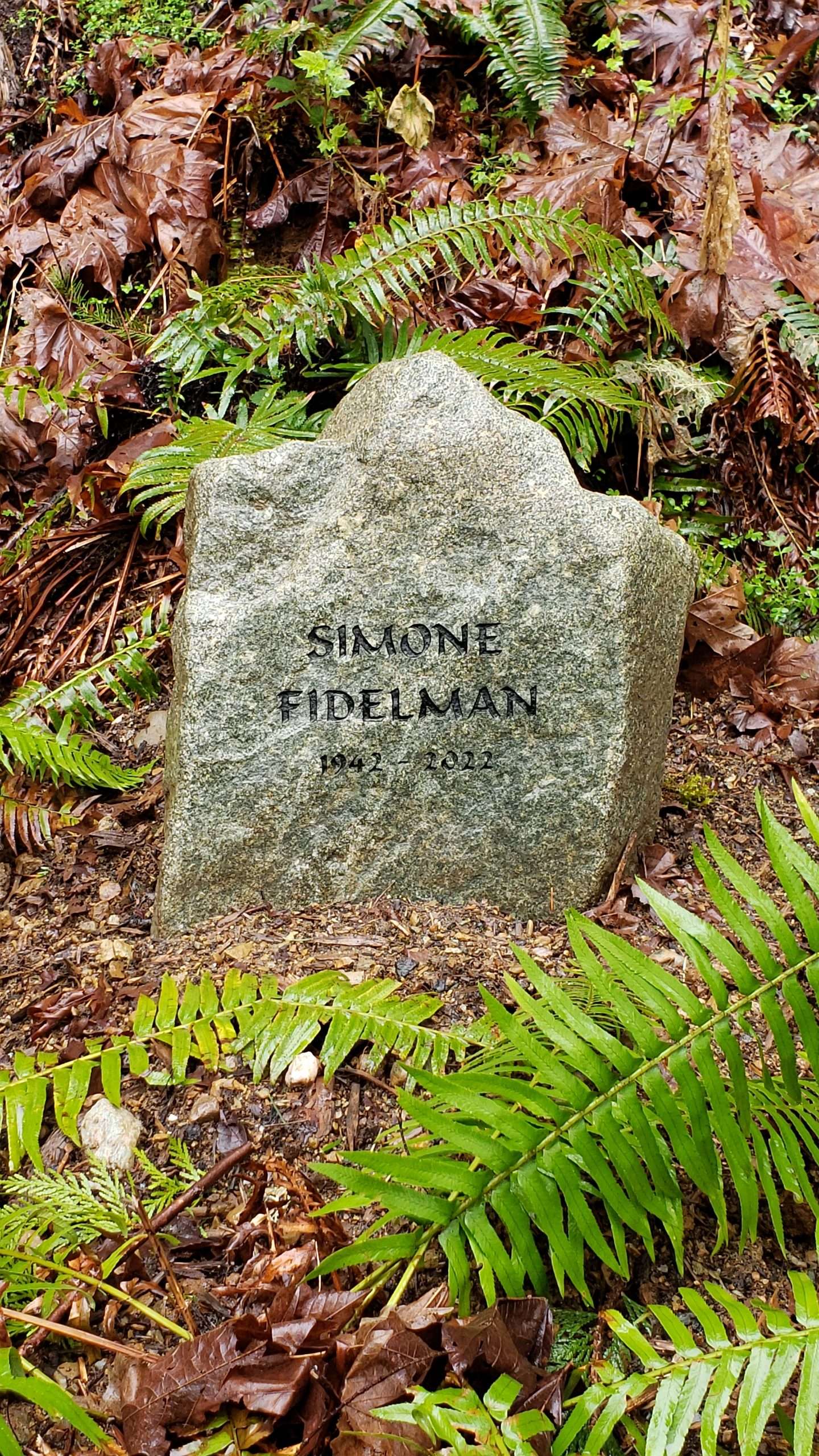
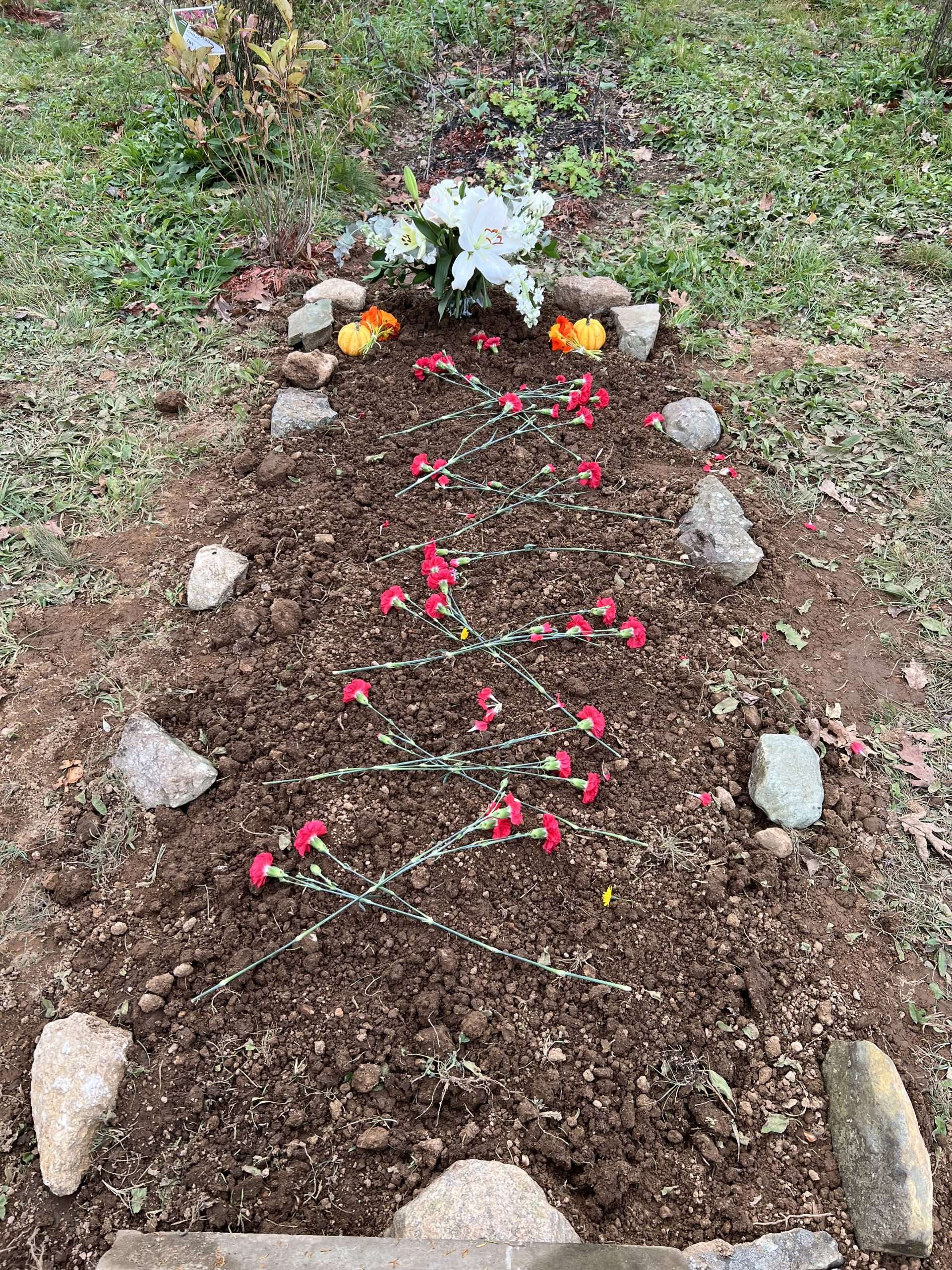
Green burial in its simplest form – placing a body directly into the earth in a simple grave – is nothing new; in fact, it is the oldest form of human disposition and has been practiced by human civilization for many thousands of years. The modern green burial movement is more recent and has its roots in the United Kingdom.